
How Sport Psychology Improves Athletic Performance
 A component of exercise science and human performance, sport psychology is primarily concerned with understanding the relationship between mentality and behavior in order to improve athletic performance. The three primary topics that sport psychologists study and deal with in their practice are stress and anxiety; motivation; and goal setting.
Stress and Anxiety
Studies have shown that anxiety and stress are the two biggest inhibitors of athletic performance. (Learn about 2 ways to combat them.) Anxiety occurs when an athlete experiences apprehension and uncertainty, or perceives something in the environment as threatening. Stress is considered a disruption of mental and physical calm. Ideally, athletes perform at a higher level when they can minimize the effects of stress and anxiety. Here are some ways to accomplish this:
- Do not fear failure (how to overcome fear)
- Focus on your specific task and don’t think about your performance (e.g., make the shot, don’t count your points)
- Block out distractions and concentrate exclusively to your activity
- Practice, practice, practice; thorough preparation and repetition produce a sense of calm, confidence and personal control (discover a few helpful techniques)
Motivation
It’s important for coaches to understand their athletes’ motivation. Some athletes are motivated purely by their love of the game. Sport psychologists refer to this as “intrinsic motivation.” When athletes are self-motivated, they are much more effective, because their achievement stems from their personal desire to compete.
Coaches use a mix of positive reinforcement and punishment to spur their athletes’ motivation. Ultimately, sport psychologists prefer positive reinforcement over punishment, because it affirms what athletes should do and rewards them for doing it right.
- Positive reinforcement. Examples include praise in front of teammates; minor rewards, such as helmut decals; or more substantial tokens of achievement, such as trophies or medals. An example of negative reinforcement is announcing that no wind sprints will be required at the end of a productive practice session.
- Punishment. Examples: reprimanding a player after an error or missed assignment; benching a player for laziness; and suspending an athlete from the team for a serious infraction.
Goal Setting
Setting goals helps athletes focus on both individual and team achievement and success. It’s a process that should progressively set higher standards of performance. (Reach your potential with goal setting techniques.)
- Process goals. The athlete has full control. Examples include improving exercise form and technique, modifying diet and practicing healthy weight management.
- Outcome goals. The influence of outside factors means the athlete has less control. Examples include winning a race, scoring more points and getting to the state championship.
- Short-term goals. Because they’re incremental and closely related to the athlete’s current skill level, these greatly increase the probability of success.
- Long-term goals. More distant goals, like winning a league championship or earning a college scholarship.
Long-term goals and short-term goals are interdependent, because long-term goals provide incentives for pursuing short-term goals.
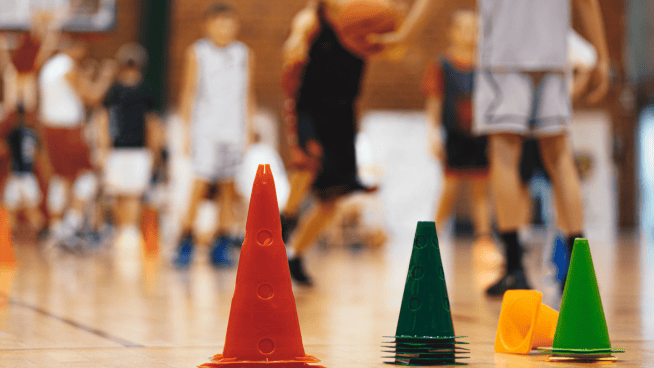
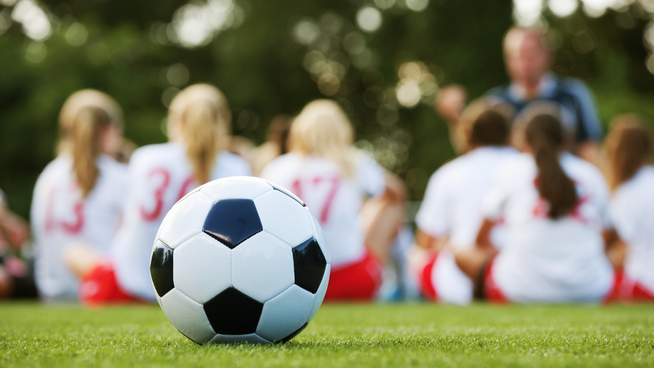
Photo: Berecruited.com
RECOMMENDED FOR YOU



MOST POPULAR




How Sport Psychology Improves Athletic Performance
A component of exercise science and human performance, sport psychology is primarily concerned with understanding the relationship between mentality and behavior in order to improve athletic performance. The three primary topics that sport psychologists study and deal with in their practice are stress and anxiety; motivation; and goal setting.
Stress and Anxiety
Studies have shown that anxiety and stress are the two biggest inhibitors of athletic performance. (Learn about 2 ways to combat them.) Anxiety occurs when an athlete experiences apprehension and uncertainty, or perceives something in the environment as threatening. Stress is considered a disruption of mental and physical calm. Ideally, athletes perform at a higher level when they can minimize the effects of stress and anxiety. Here are some ways to accomplish this:
- Do not fear failure (how to overcome fear)
- Focus on your specific task and don’t think about your performance (e.g., make the shot, don’t count your points)
- Block out distractions and concentrate exclusively to your activity
- Practice, practice, practice; thorough preparation and repetition produce a sense of calm, confidence and personal control (discover a few helpful techniques)
Motivation
It’s important for coaches to understand their athletes’ motivation. Some athletes are motivated purely by their love of the game. Sport psychologists refer to this as “intrinsic motivation.” When athletes are self-motivated, they are much more effective, because their achievement stems from their personal desire to compete.
Coaches use a mix of positive reinforcement and punishment to spur their athletes’ motivation. Ultimately, sport psychologists prefer positive reinforcement over punishment, because it affirms what athletes should do and rewards them for doing it right.
- Positive reinforcement. Examples include praise in front of teammates; minor rewards, such as helmut decals; or more substantial tokens of achievement, such as trophies or medals. An example of negative reinforcement is announcing that no wind sprints will be required at the end of a productive practice session.
- Punishment. Examples: reprimanding a player after an error or missed assignment; benching a player for laziness; and suspending an athlete from the team for a serious infraction.
Goal Setting
Setting goals helps athletes focus on both individual and team achievement and success. It’s a process that should progressively set higher standards of performance. (Reach your potential with goal setting techniques.)
- Process goals. The athlete has full control. Examples include improving exercise form and technique, modifying diet and practicing healthy weight management.
- Outcome goals. The influence of outside factors means the athlete has less control. Examples include winning a race, scoring more points and getting to the state championship.
- Short-term goals. Because they’re incremental and closely related to the athlete’s current skill level, these greatly increase the probability of success.
- Long-term goals. More distant goals, like winning a league championship or earning a college scholarship.
Long-term goals and short-term goals are interdependent, because long-term goals provide incentives for pursuing short-term goals.
Photo: Berecruited.com